
A Survey of the American Secondary Market
A 1995 Memorial NGC MS68RD Double Die Obverse cent, a pinnacle of modern error coinage, leads a significant numismatic event in Findlay, Ohio, this May. This high-grade rarity is part of a broader geographic movement in the auction sector, where specialized collections are currently migrating from private estates to public bidding platforms across the United States. From the professional galleries of Carmel, Indiana, to the coastal markets of Hollywood, Florida, the next three days present a rigorous schedule for collectors of American history and fine decorative arts.
Numismatic Precision in Findlay, Ohio
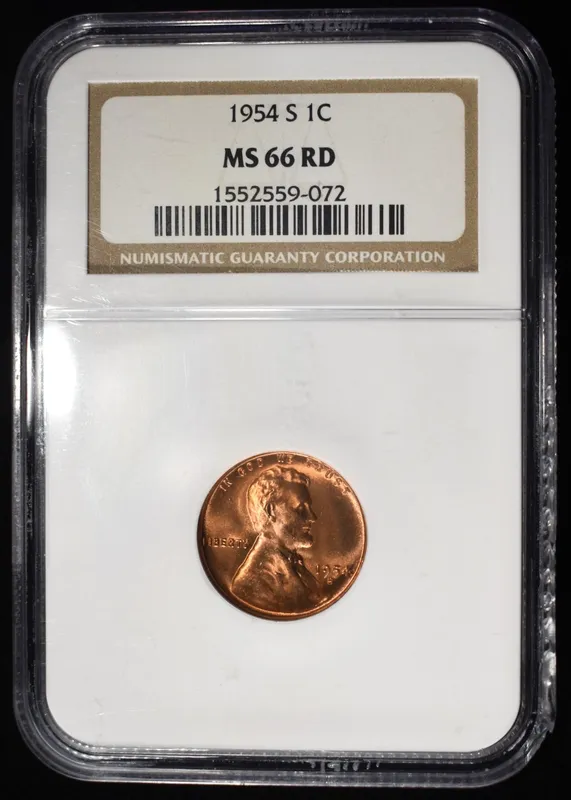
In the industrial corridor of Findlay, Ohio, Silver City Auctions has curated a catalog that emphasizes both technical perfection and historical depth. The sale on May 14th is particularly dense with professionally graded American currency and coinage, drawing interest from specialists in 19th-century silver and modern minting errors.
May 14th Silver City Rare Coins & Currency
According to Auction Hawk, the concentration of high-grade Seated Liberty coinage in this Findlay event represents a significant opportunity for mid-19th-century silver specialists. Notable lots include an 1839 Seated Liberty Half Dollar in BU condition and an 1863-S specimen from the San Francisco Mint. The modern section is equally robust, featuring a 2013-W Silver Eagle graded NGC Reverse Proof-70 and a 2024(P) Silver Eagle with the Star Privy mark, graded MS-70. These pieces reflect the enduring demand for top-tier registry set candidates. For those focused on early copper, the 1826 Large Cent in AU/BU condition provides a tangible link to the early American republic’s monetary system.
View the full catalog at Silver City Auctions.
Estate Provenance in Spring Valley, New York
Situated in Spring Valley, New York, Taurus Auctions serves as a conduit for material emerging from the established households of the Tri-State area. Their upcoming event focuses on the domestic history of the Northeast, pulling from residences in New York, New Jersey, and Connecticut.
May 2026 Discovery Auction
The May Discovery Auction in Spring Valley presents a broad-ranging inventory of antiques and decorative arts. These discovery sales are essential for the secondary market as they often introduce items that have remained in private hands for generations. The catalog includes furniture and collectibles that reflect the regional aesthetic of the suburban New York corridor. Potential bidders should note that Taurus Auctions emphasizes direct gallery communication for condition reports, ensuring that the provenance of these New Jersey and Connecticut estate items is fully understood prior to the hammer falling.
View the full catalog at Taurus Auctions.
Southwestern Aesthetics in Hollywood, Florida
While based in Hollywood, Florida, Lion & Unicorn is currently focusing on the artistic traditions of the American West. The Taos art colony in New Mexico has long been a center for creative expression, and this selection brings that specific high-desert provenance to the Florida market.
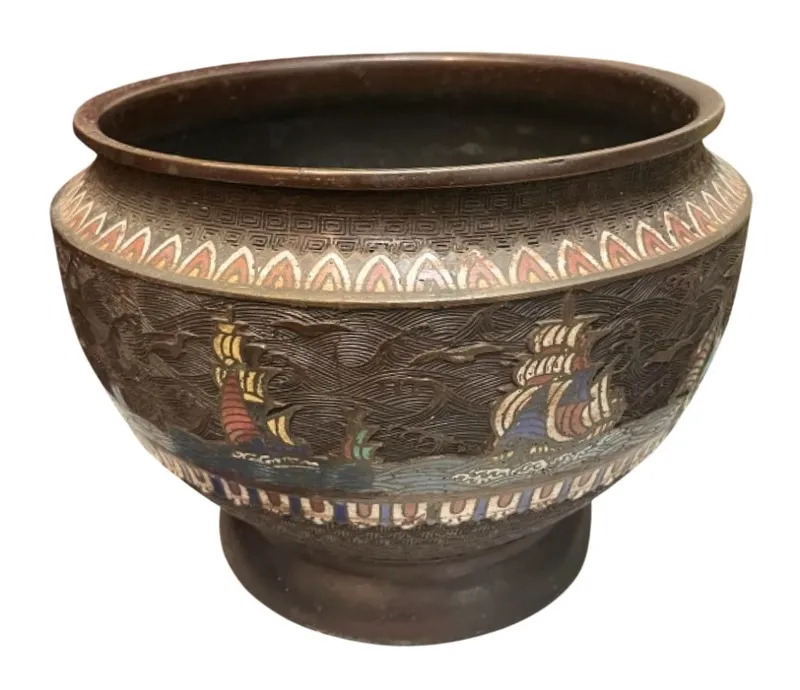
Taos, New Mexico Estate Selections
The Taos selections offered in Hollywood, Florida, bridge the gap between regional artifact and fine art. This collection features items characterized by the geometric motifs and natural palettes intrinsic to the New Mexican landscape. Auction Hawk reports that the migration of such niche regional collections to major Florida hubs like Hollywood allows for broader market visibility for Southwestern material culture, which continues to command stable prices among collectors of Americana.
View the full catalog at Lion & Unicorn.
Specialized Collections in Carmel, Indiana
In Carmel, Indiana, Wickliff Auctioneers is conducting the second session of the Morey estate sale. This event continues the liquidation of a disciplined private collection, with a focus on specialized American categories.
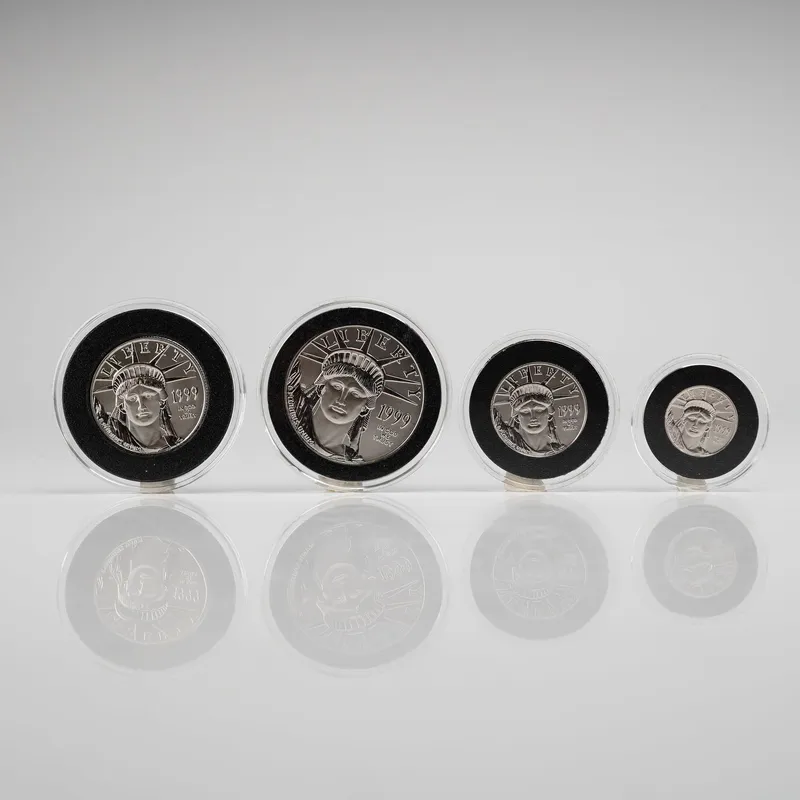
Morey Online Estate Sale, Session 2
The Carmel, Indiana gallery is presenting an extensive array of Native American collectibles, alongside period furniture and decorative arts. The Morey estate is notable for its thematic consistency, providing a survey of indigenous craftsmanship and Midwestern domestic history. This online-only session in Carmel allows for streamlined participation, particularly for collectors of Native American artifacts who may be bidding from outside the Indiana region. The furniture lots offer a clear look at the functional elegance preferred in high-end Midwestern estates during the late 20th century.
View the full catalog at Wickliff Auctioneers.
Key Takeaways
- Numismatic Rarity: The Silver City event in Findlay features highly graded error coins, including a 1995 MS68RD Double Die cent.
- Tri-State Sourcing: Taurus Auctions is offering fresh-to-market estate items from New York, New Jersey, and Connecticut.
- Southwestern Provenance: Authentic Taos, New Mexico estate pieces are being sold through a Hollywood, Florida gallery, expanding their market reach.
- Specialized Americana: The Morey estate in Carmel, Indiana, provides a significant opportunity for collectors of Native American artifacts and regional furniture.

Frequently Asked Questions
What defines a Double Die error on the 1995 Lincoln cent?
A ‘Double Die’ error occurs when a misalignment during the hubbing process results in two distinct impressions on a single die. In the case of the 1995 Lincoln cent offered in Findlay, Ohio, this manifests as a clear doubling of the lettering and date, which is especially prized when found in a high NGC MS68RD grade.
How do I participate in an online-only estate auction?
Bidders must register through the specific auction house’s platform or a third-party service like BidSpirit. Once registered, you can place maximum bids in advance or bid in real-time as the digital hammer falls on each lot.
Why is provenance important for Native American collectibles?
Provenance provides a documented history of ownership, which is crucial for verifying the age and authenticity of indigenous artifacts. In the Morey estate sale in Carmel, Indiana, the established provenance of the collection helps collectors and historians understand the cultural context of each piece.
